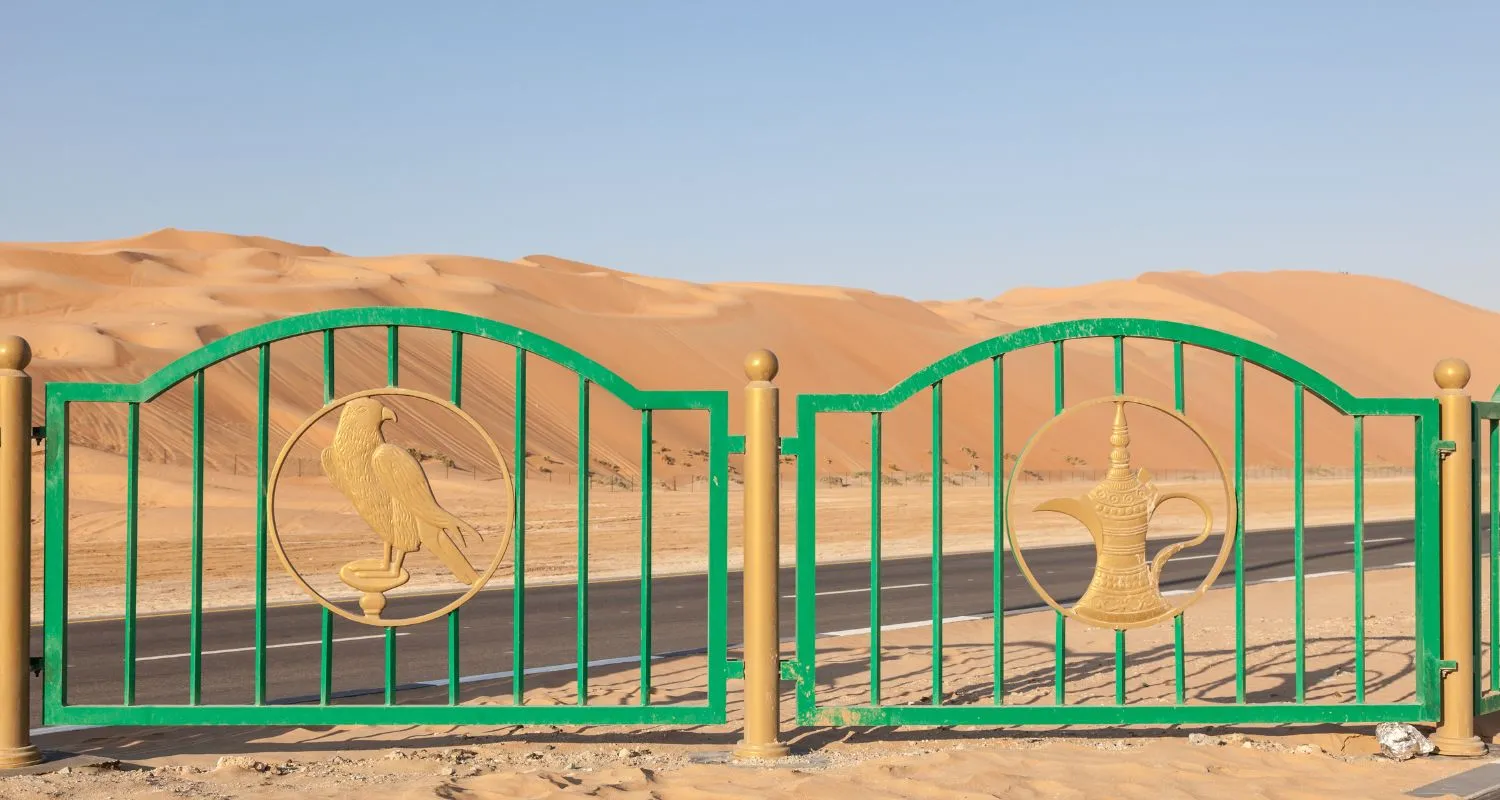
Liwa Oasis is a vast crescent of desert settlements on the northern edge of the Empty Quarter, the great sand sea that spreads across the south of Abu Dhabi. This is where the tallest dunes in the United Arab Emirates rise, where the country’s ruling family traces its roots, and where date palms have been farmed for centuries. For most travellers, a trip here pairs naturally with the coast, and Al Maya Island & Resort makes an easy island base before you head inland toward the sand.
Here is what surprises first time visitors: the silence. Once the highway ends and the dunes take over, the noise of the city disappears completely. That contrast, from coast to capital to open desert, is exactly what makes this corner of Abu Dhabi worth the drive.
What Is Liwa Oasis?
Liwa Oasis is a string of around fifty villages arranged in a long curve across the southern desert of Abu Dhabi, in the Al Dhafra region. It sits on the rim of the Rub al Khali, or Empty Quarter, the largest continuous sand desert on Earth. People have lived here for centuries, sustained by date farming and precious groundwater.
Where Is Liwa Oasis Located?
Liwa sits roughly 220 kilometres southwest of Abu Dhabi city, deep in the Al Dhafra region. The oasis forms a crescent that stretches for about 120 kilometres, hugging the northern edge of the Empty Quarter Abu Dhabi shares with Saudi Arabia and Oman.
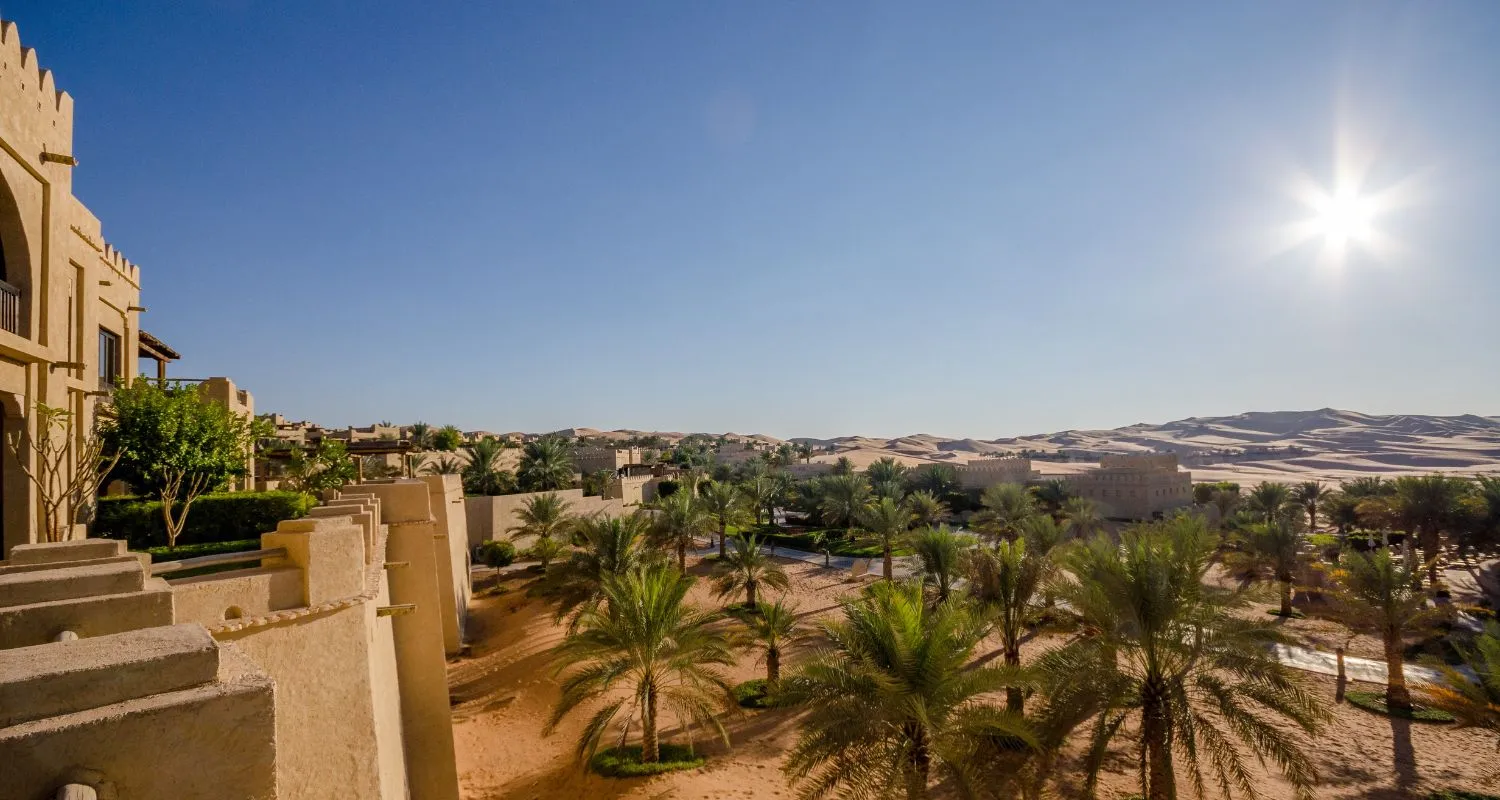
The main town is Mezaira’a, which sits at the centre of the arc and works as the practical hub for fuel, food, and supplies. From there, smaller villages fan out east and west, each one backed by towering orange dunes.
Why Is Liwa Oasis Important to the UAE?
Liwa Oasis is the ancestral home of the Bani Yas tribal confederation and the Al Nahyan family, who rule Abu Dhabi today. Fresh water was found on Abu Dhabi island in the 1760s, and around 1793 the ruling family moved their seat from the desert to the coast to sit nearer the pearling trade.
That coast and desert rhythm shaped life here for generations. Men dived for pearls off the shore in summer, then returned inland for the winter date harvest, a cycle that still explains why a desert guide pairs so well with an island stay. Date cultivation remains central to the region’s identity, and the crescent’s farms still supply the country today.
How Do You Get to Liwa Oasis From Abu Dhabi?
The most reliable way to reach Liwa Oasis is by car, and the drive from Abu Dhabi takes roughly two and a half hours. You take the E11 west out of the city toward Tarif, then branch south past Madinat Zayed, following the signs until the road drops you into Mezaira’a. A single express bus, the X60, does run to the area, but once you arrive you will need your own vehicle to see anything.
Do You Need a 4×4 to Visit Liwa?
You do not need a 4×4 to reach the towns, resorts, and viewpoints, because tarmac roads connect the whole crescent. A regular car handles Mezaira’a and the drive up to the Tel Moreeb parking area without any trouble.
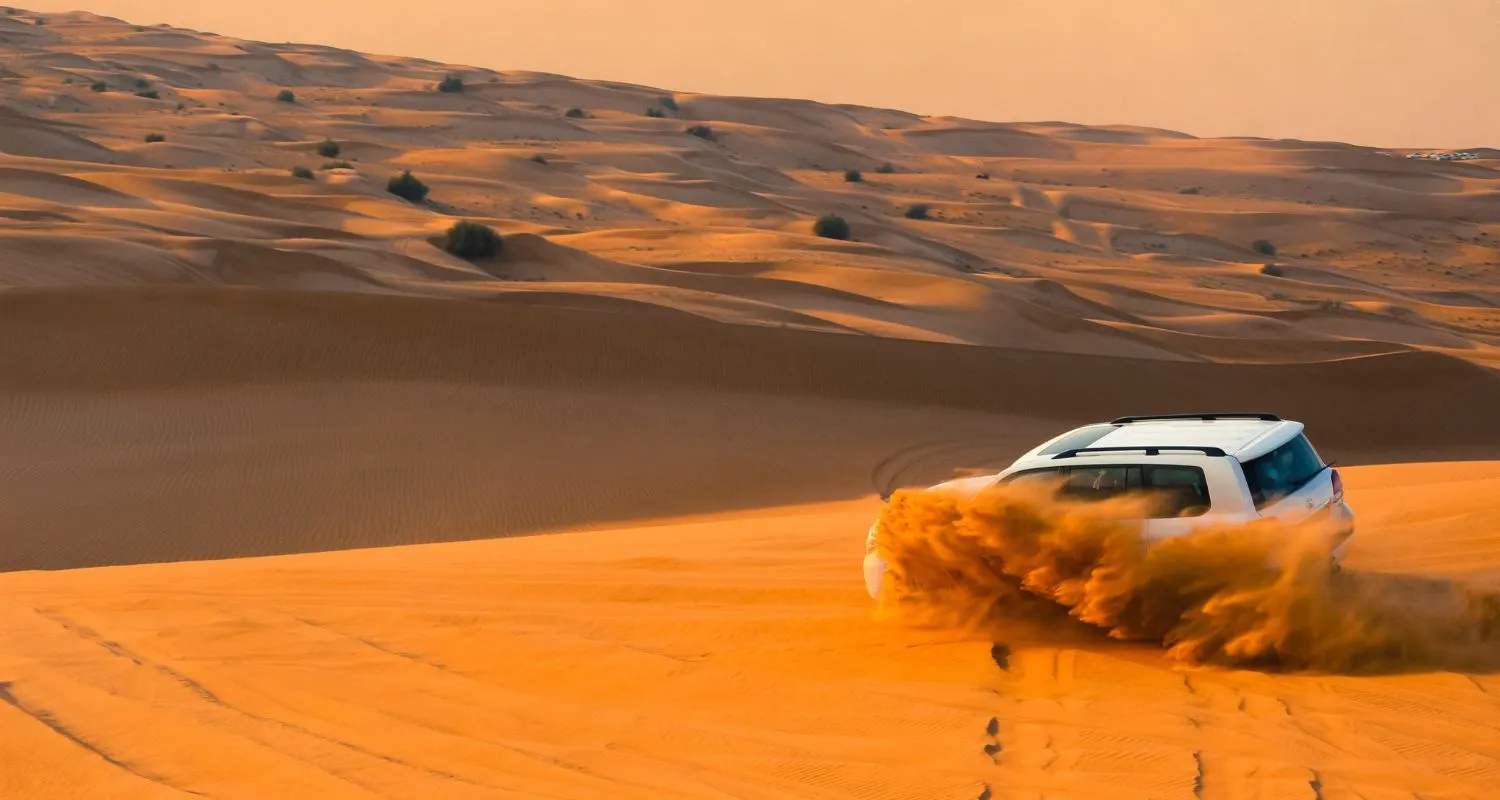
The dunes themselves are a different story. To drive on soft sand, whether for a Liwa desert safari or to reach a remote camp, you need a 4×4 with lowered tyre pressure and, ideally, an experienced desert driver at the wheel. We suggest booking a guide rather than testing the sand alone, since getting stuck out here is easy and help is a long way off.
When Is the Best Time to Visit Liwa Oasis?
The best time to visit Liwa is between October and April, when desert days are warm rather than dangerous. Summer, from roughly May to September, brings extreme heat that makes daytime activity in the dunes a real risk. So if you want to climb Tel Moreeb or camp overnight, aim squarely for the cooler months.
What Is the Weather Like in Liwa Across the Year?
Through winter, daytime temperatures usually sit between 20 and 30 degrees Celsius, with clear skies and cool nights that can dip toward 10 degrees. This is prime desert weather, and it is no accident that the region’s biggest event lands right in the middle of it.
According to the Abu Dhabi Media Office, the Liwa International Festival 2026 ran from 12 December to 3 January and drew more than 700,000 visitors to the dunes around Tel Moreeb. Summer is the opposite experience, with temperatures that regularly climb past 45 degrees. Unless you have a specific reason to come in July, the winter window is the one to book.
What Are the Best Things to Do in Liwa Oasis?
The best things to do in Liwa revolve around the sand, the sky, and the heritage that ties them together. Most people come for a mix of adventure and quiet, and the experiences below cover both ends of that.
- Climb, or watch motorsport on, Tel Moreeb, one of the world’s tallest dunes
- Book a Liwa desert safari with dune bashing across the Empty Quarter
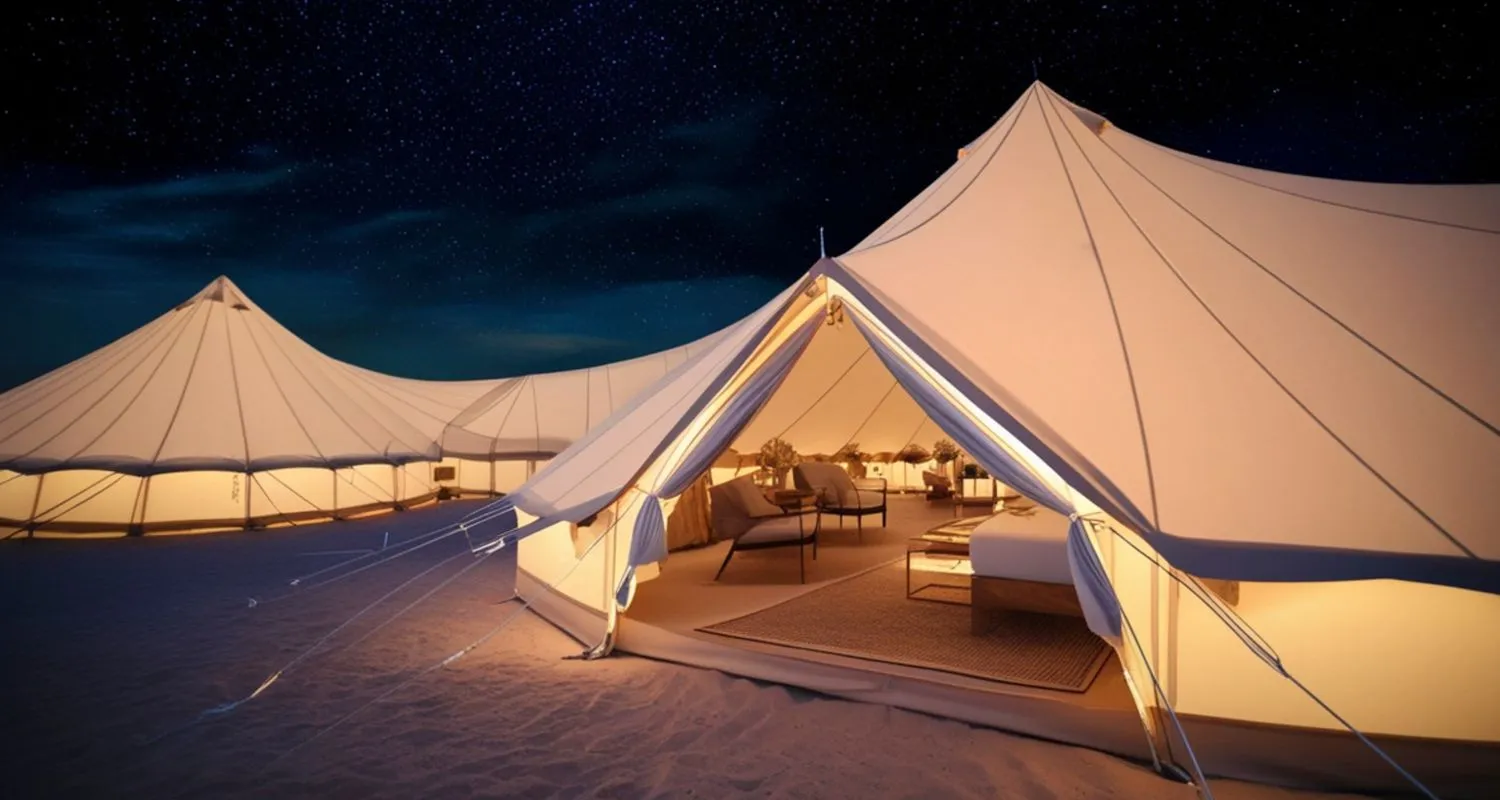
- Camp overnight under some of the darkest skies in the UAE
- Explore the old villages, forts, and date farms of the crescent
Climbing Tel Moreeb, One of the World’s Tallest Dunes
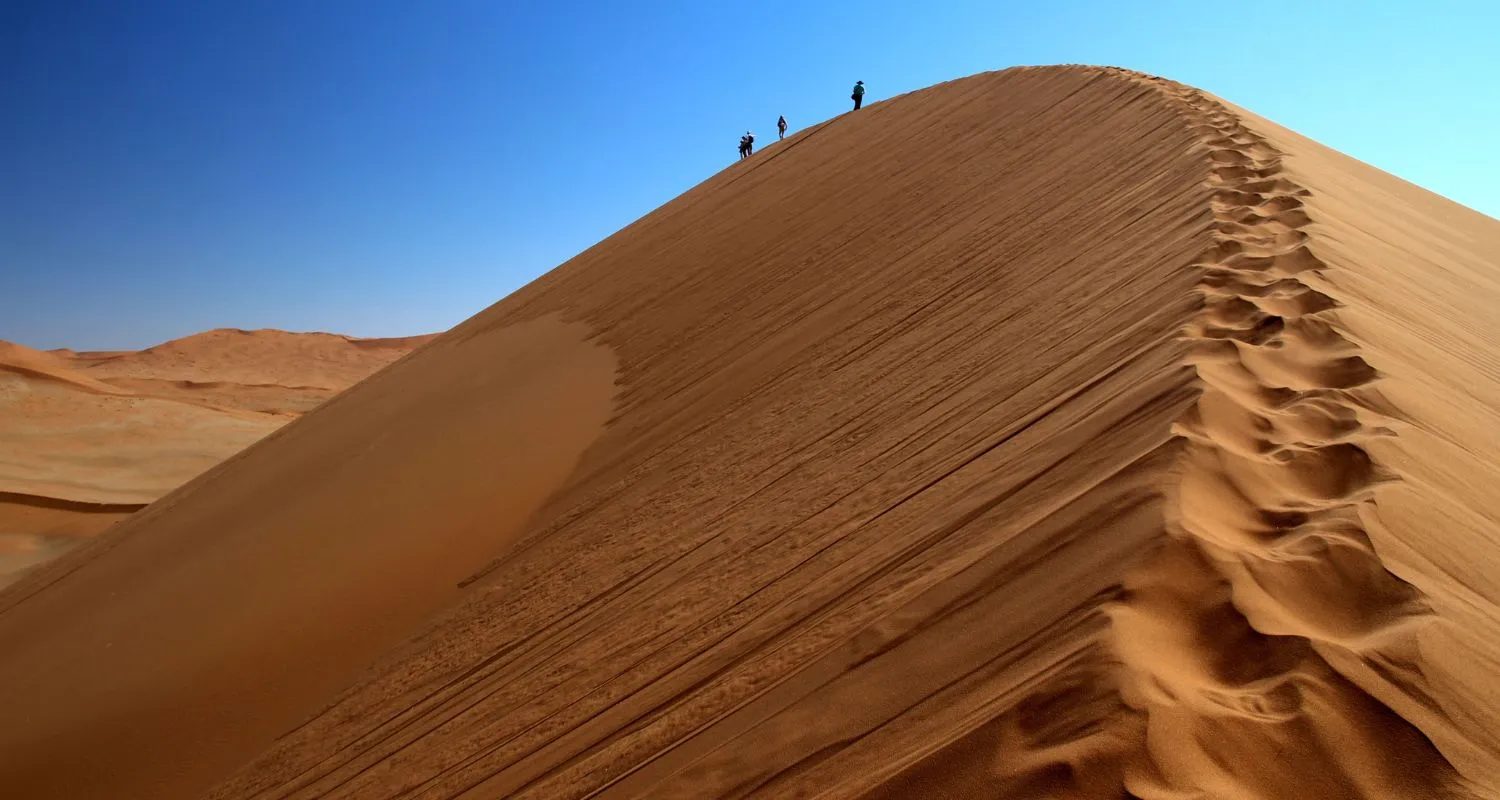
Tel Moreeb, sometimes written Moreeb Dune and nicknamed Fear Mountain, is the headline act. According to Experience Abu Dhabi, it stands over 300 metres with a slip face of around 50 degrees, which puts it among the tallest and steepest dunes anywhere.
For most of the year you can hike partway up for the view, and it is a lung burning effort in soft sand. Each winter, though, the dune turns into a motorsport arena, as modified cars and bikes attack the slope in the Tel Moreeb hill climb. Even if you never touch the throttle, watching the attempts is a spectacle in its own right.
Desert Safari and Dune Bashing in the Empty Quarter
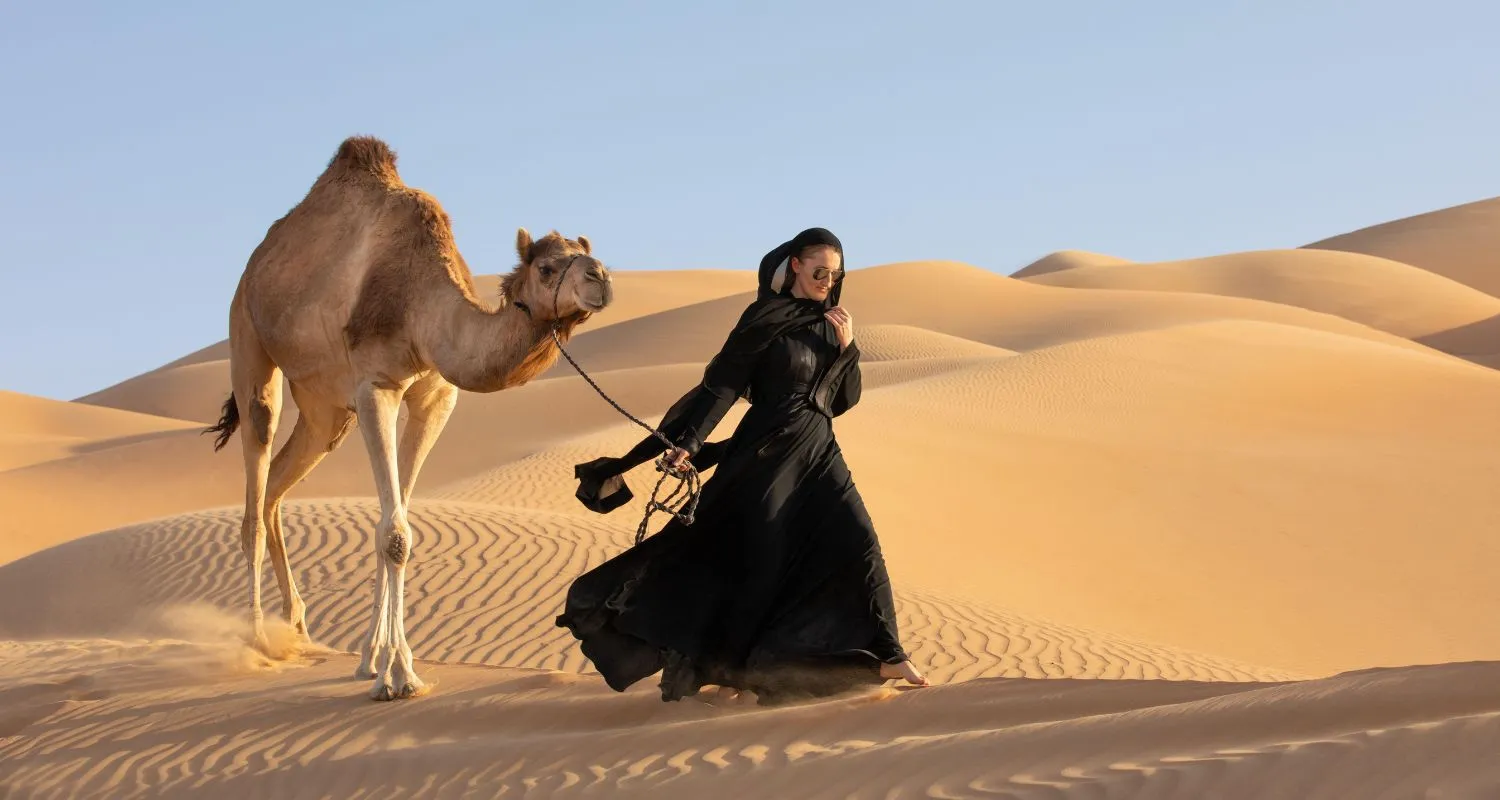
A Liwa desert safari is a different animal from the versions sold in Dubai. Out here the dunes are bigger, the crowds are thinner, and the sense of remoteness is real rather than staged.
A typical trip pairs dune bashing in a 4×4 with sandboarding, camel rides, and often a meal at a desert camp. Because this is the Empty Quarter Abu Dhabi guards so carefully, you get long stretches of untouched sand with no other vehicles in sight. Stand out here for a minute and it is easy to believe some of these ridges have never held a permanent footprint.
Overnight Desert Camping Under the Stars
Spending a night in the desert is the part most people remember. Once the sun drops and the day trippers head home, Liwa goes almost completely silent, and the absence of city light turns the sky into something most of us rarely see.
You can camp independently if you are equipped and experienced, or book a guided camp that handles tents, food, and the 4×4 transfer. Either way, pack warm layers, because desert nights in winter get properly cold. Waking up to sunrise over the dunes, with the sand still cool underfoot, is the kind of thing that justifies the whole journey.
Villages, Forts, and Date Farms: Liwa’s Living Heritage
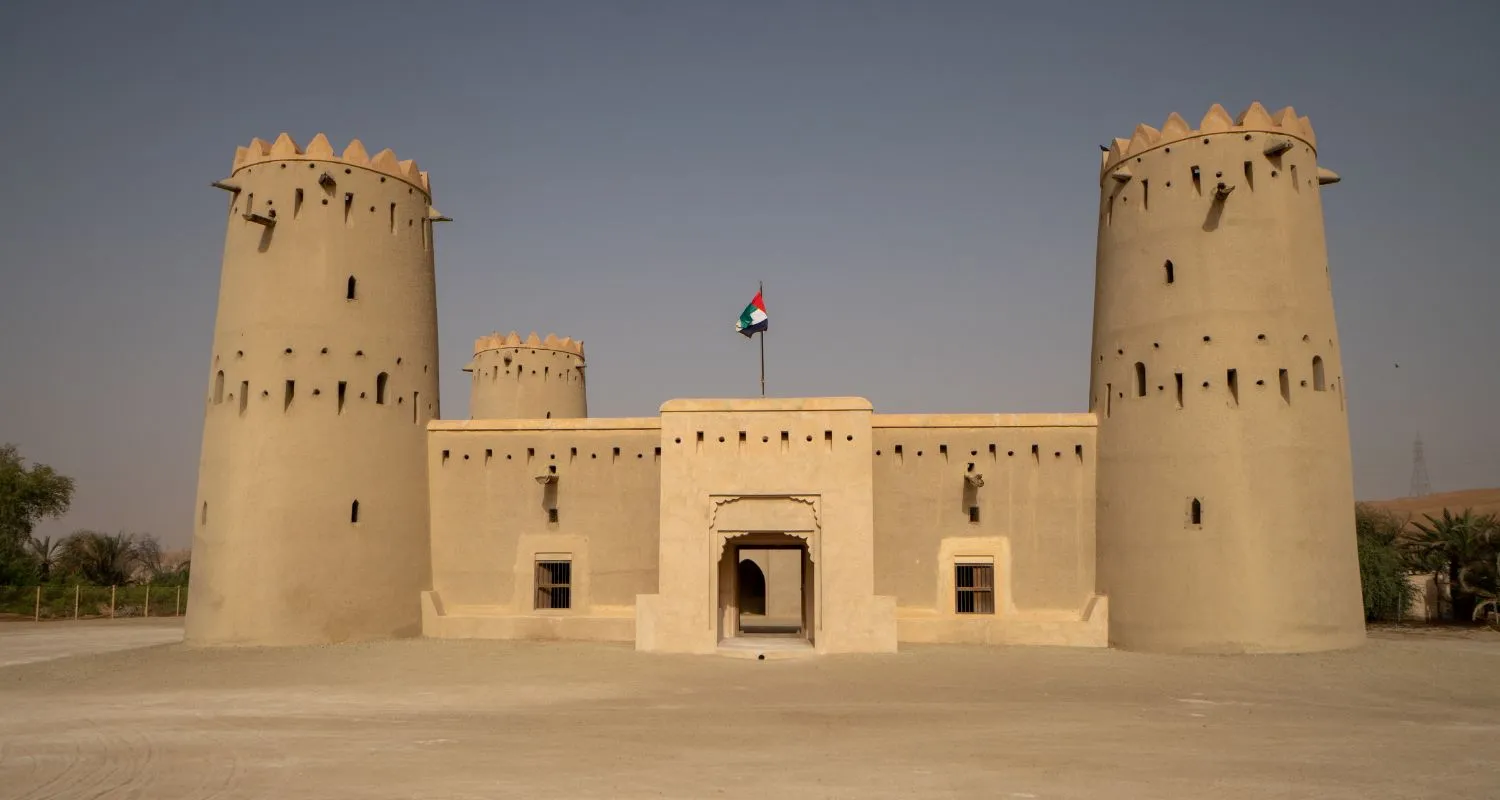
Liwa is not only dunes. The crescent is dotted with old mud brick forts that once guarded the settlements and their water. According to Aletihad, these forts watched over the tribes of the oasis for generations, and several still stand near the villages today.
You will also pass working date farms, especially around Mezaira’a, where palms have grown for centuries. Stop in a village and you get a quieter, more human side of the desert that the dunes alone do not show. This heritage is a big reason a visit here feels different from a standard safari.
Where to Stay for a Liwa Oasis Trip
Where you stay depends on what you want from the trip. For the full desert experience, you base yourself at a resort or camp inside the Liwa crescent. To combine the sand with the coast, many travellers anchor their Abu Dhabi escape at Al Maya Island & Resort and treat Liwa as an inland day out or overnight.
Al Maya Island & Resort: A Coastal Base for Your Abu Dhabi Escape
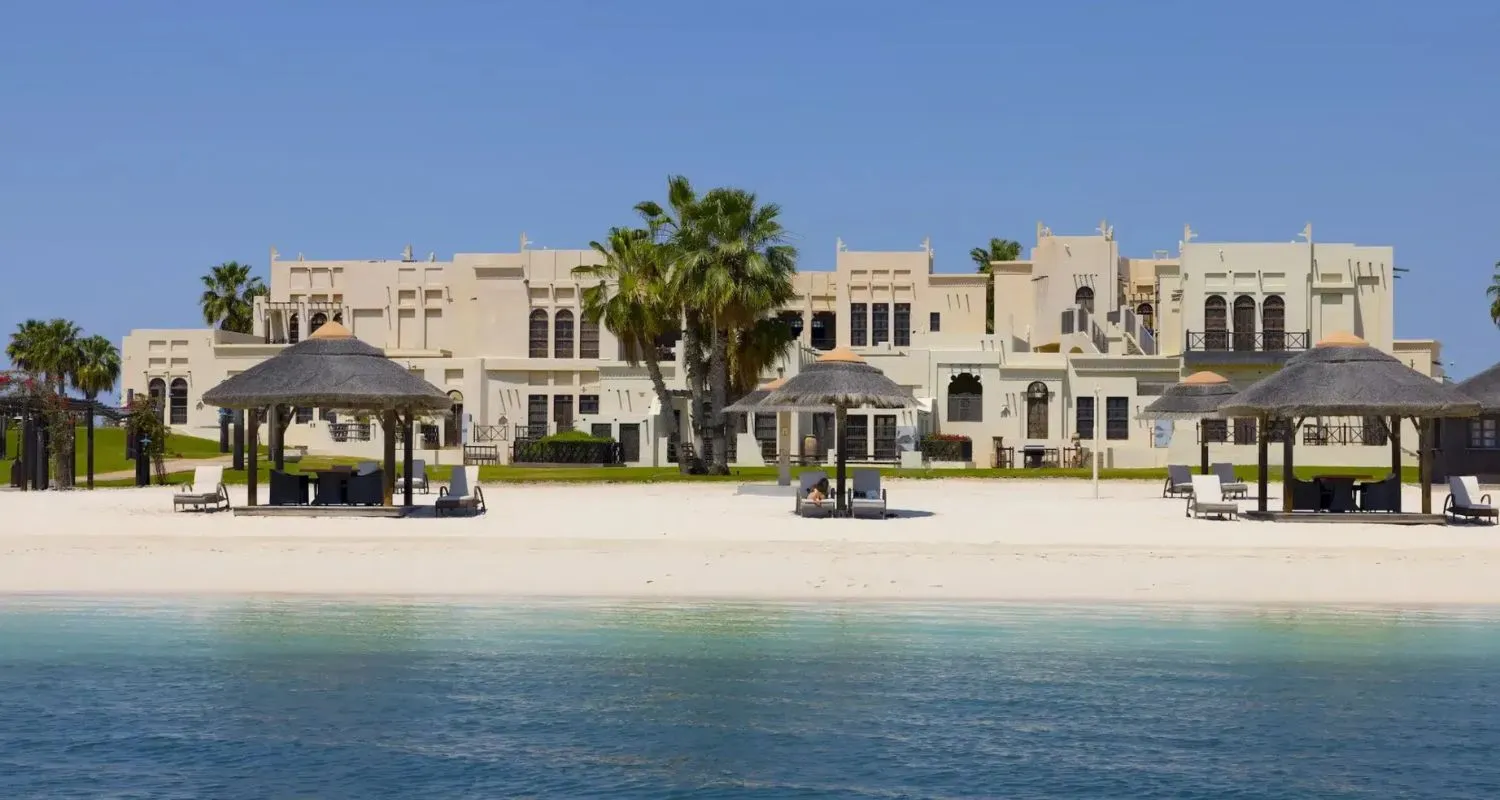
Al Maya Island & Resort is an island retreat off the Abu Dhabi coast, reached by boat, with beach villas and calm, shallow water. It works as a relaxed base for the coastal half of your trip, before you drive inland for the desert half.
This coast and desert pairing is not a modern invention. As we touched on earlier, the people of Liwa Oasis lived by exactly this rhythm, pearling on the water in summer and farming dates in the dunes in winter. Setting up at Al Maya and running a Liwa trip from there simply follows a route Emiratis have taken for centuries.
Practical Tips for Visiting Liwa Oasis
A few practical habits make a Liwa trip smoother and safer. Carry more water than you think you need, cover up against the sun, and fill your fuel tank before you leave Mezaira’a. Download offline maps as well, because mobile signal thins out fast once you are among the dunes.
What Should You Pack for the Desert?
Packing for Liwa is mostly about sun, sand, and temperature swings. You want protection during the day and warmth after dark, plus enough water to stay ahead of the heat.
- Plenty of drinking water, more than you expect to get through
- Sunscreen, sunglasses, and a hat or head covering
- Warm layers for cold desert nights, especially in winter
- Closed shoes for the sand, plus sandals for camp
- A power bank and offline maps saved to your phone
Is Liwa Oasis Safe and Family-Friendly?
Liwa is safe and welcoming for families, and the UAE overall has very low crime. The real risks here are environmental rather than human: heat, dehydration, and driving on soft sand without the right vehicle.
Families do well sticking to the tarmac, the resorts, and guided activities, where children can sandboard and ride camels in comfort. If you plan to head onto the dunes, go with a guide or a properly equipped 4×4. Respect local customs too, dress modestly in the villages, and always ask before photographing residents.
Coast, Capital, and Open Desert
Now that we have reached the end of the journey, the appeal of this place comes down to one thing: range. In a single trip you can spend a slow morning on the water at Al Maya Island & Resort, watch the skyline give way to farmland, and finish the afternoon among the towering orange dunes of the Empty Quarter. That coast to desert arc is not a tourist invention. It is the same rhythm the people of this region followed for centuries, pearling on the shore in summer and farming dates inland in winter, and living it yourself is what turns a simple day out into a story worth telling.
So plan for the cooler months between October and April, carry more water than you think you need, and bring an experienced driver or guide before you ever touch the soft sand. Do that, and the desert repays you with silence, scale, and night skies you will not find anywhere near the city. Whether you come for the motorsport on Tel Moreeb, a night under the stars, or the quiet heritage of the crescent’s villages, Liwa Oasis is the corner of Abu Dhabi that stays with you long after the sand is off your shoes.


 English
  German
  Russian
  Arabic