
Abu Dhabi culture is renowned for its lifestyle, art and architecture. This city serves as a vital business hub centered on oil and infrastructure, contributing to nearly two-thirds of UAE’s economy. Yet, the true essence of Abu Dhabi lies not just in its economic strength, but in its rich culture, deep-rooted traditions, and warm hospitality. This blog aims to provide an insight into the multifaceted culture of Abu Dhabi, derived from its traditions, cuisines, architecture, art, music, dance, and more.
Embracing Islamic Traditions and Arab Heritage
The Abu Dhabi culture is firmly rooted in the Islamic traditions and Arab heritage. Its impressive architecture, social norms, and festivals reflect the profound influence of Islam and Arabic customs. Visitors are welcomed warmly, respecting cultural diversity as long as it doesn’t disturb the societal harmony. The strong Arabic pride continues to inspire the locals with values of bravery, generosity, and devotion. While extravagance is a notable trait among the Emirati youth, it never compromises the overall safety and well-being of others.
The dress code in Abu Dhabi is also emblematic of its traditional values. The men wear dishdasha, a full-length shirt-dress, with a white or red checkered headdress known as Gutra. Women typically don a black robe, called abaya, and a headscarf named Sheyla.

Discovering Abu Dhabi Culture Through Its Cuisine
Abu Dhabi’s culinary landscape is a testament to its diverse cultural influences and the city’s cosmopolitan nature. Here, food is not just sustenance; it is a journey, a narrative woven with spices and techniques that speak volumes of the city’s history and heritage. From luxurious fine dining restaurants serving international cuisine to bustling street food stalls offering local delicacies, Abu Dhabi offers an unparalleled gastronomical experience.
Traditional Emirati Dishes: The Heart of Abu Dhabi Culture
The charm of local Emirati cuisine is truly captivating. Traditional dishes like Harees, a wheat and meat porridge, and Makboos, a flavorful rice dish with meat or fish, offer a harmonious blend of tastes that have been passed down through generations. Experiencing these authentic flavors provides deep insight into Abu Dhabi culture and its culinary heritage. Salona, a slow-cooked stew with vegetables, and Madrooba, a rich dish made from salted fish, rice, and spices, are other specialties that demonstrate the region’s culinary prowess.
And no meal is complete without indulging in traditional desserts. Luqaimat, a popular Emirati dessert, is a perfect example. These light and airy dough balls, deep-fried to golden perfection, are usually served drizzled with a generous covering of date syrup or honey, providing a delightful end to any meal.
The city also hosts numerous food festivals throughout the year, bringing together local and international culinary talents and food enthusiasts, thus continually reinventing its food culture.

From Desert Sands to Towering Marvels
Abu Dhabi’s skyline is a stunning collage of architectural achievements that reflect both the city’s economic prosperity and its deep-rooted cultural heritage. Each structure in the city, be it a luxurious hotel, a towering skyscraper, or a historical monument, tells a story of the city’s journey from a quiet fishing village to a vibrant metropolis. These architectural wonders serve as physical manifestations of Abu Dhabi culture, showcasing the emirate’s ability to honor tradition while embracing innovation.
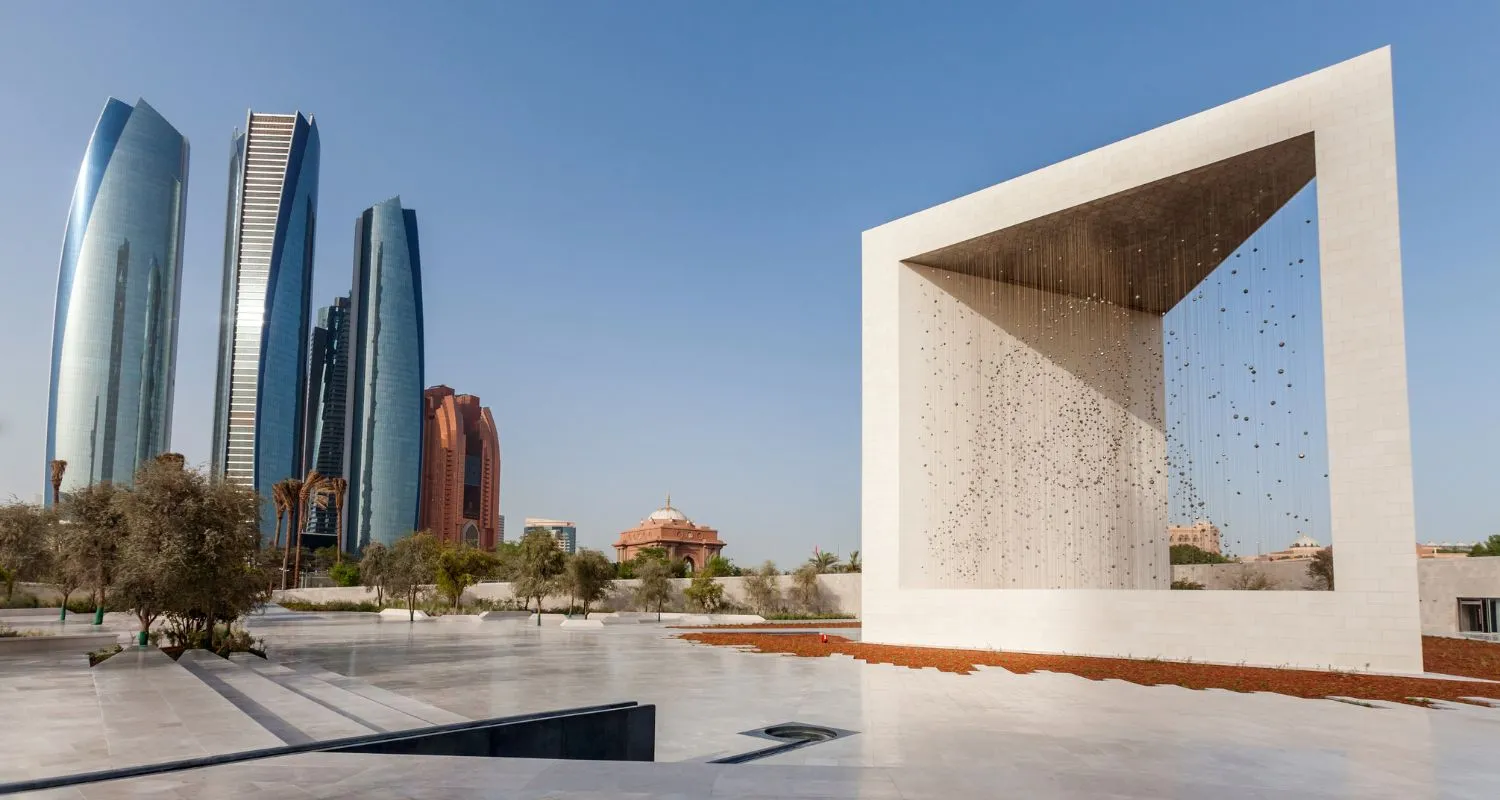
Prominent landmarks like the Etihad Towers are symbols of the city’s luxury and opulence. These impressive structures, a complex of five skyscrapers, represent Abu Dhabi’s modern aesthetics and innovative approach to architecture, standing as proud symbols of the emirate’s rapid development and global significance.
Blending Heritage with Innovation
The city’s modern glass edifices are remarkable examples of Abu Dhabi’s cutting-edge architecture. These contemporary structures feature distinctive designs and innovative lighting systems, creating mesmerizing spectacles especially at night. Such modern masterpieces stand alongside historical buildings, creating a visual dialogue that characterizes Abu Dhabi culture in its most tangible form.
On the other side, the city’s mosques, particularly the Sheikh Zayed Grand Mosque, stand as a testament to the exquisite Islamic architecture. With its 82 domes, more than 1,000 columns, 24-carat gold gilded chandeliers, and the world’s largest hand-knotted carpet, the mosque represents a harmonious blend of Mughal, Persian, and Moorish architecture styles.
Similarly, the city’s forts, such as the Al Jahili Fort and the Qasr Al Hosn, stand as significant historical landmarks. They narrate the tales of Abu Dhabi’s past, its transformation, and its resilience. Qasr Al Hosn, in particular, as the oldest stone building in the city, holds a special place in Abu Dhabi’s architectural and historical landscape.

The Melody of Tradition: Music and Dance
The traditional music and dance forms of Abu Dhabi are deeply influenced by the Khaliji style. This style incorporates instruments like drums, flutes, violins, and a unique type of lute. The music often tells a tale, celebrating the valiant warriors or the UAE’s rise to prosperity. These artistic expressions form an integral part of Abu Dhabi culture, preserving ancient traditions while entertaining audiences across generations. The dance forms like Ayyalah, Harbiya, Liwa, and Mated are performed in a highly organized manner, often narrating stories or commemorating significant events. Belly dancing, a dance form deeply rooted in the Arab world, is also quite popular in Abu Dhabi.

Artistic Expression and Creative Heritage
Abu Dhabi is a vibrant hub for artists, offering a wide range of creative resources, from paints and canvases to pottery classes and art workshops. Some shops offer art lessons in traditional painting, Arabic calligraphy, and more, catering to the creative needs of both children and adults. These artistic pursuits represent significant aspects of Abu Dhabi culture, providing insights into both traditional practices and contemporary creative expressions. Pottery shops and studios also provide opportunities for residents and tourists to learn and appreciate the craft. Here, tourists can try creating traditional pots or designing contemporary pieces for themselves.
Museums and Galleries: Preserving Artistic Legacy
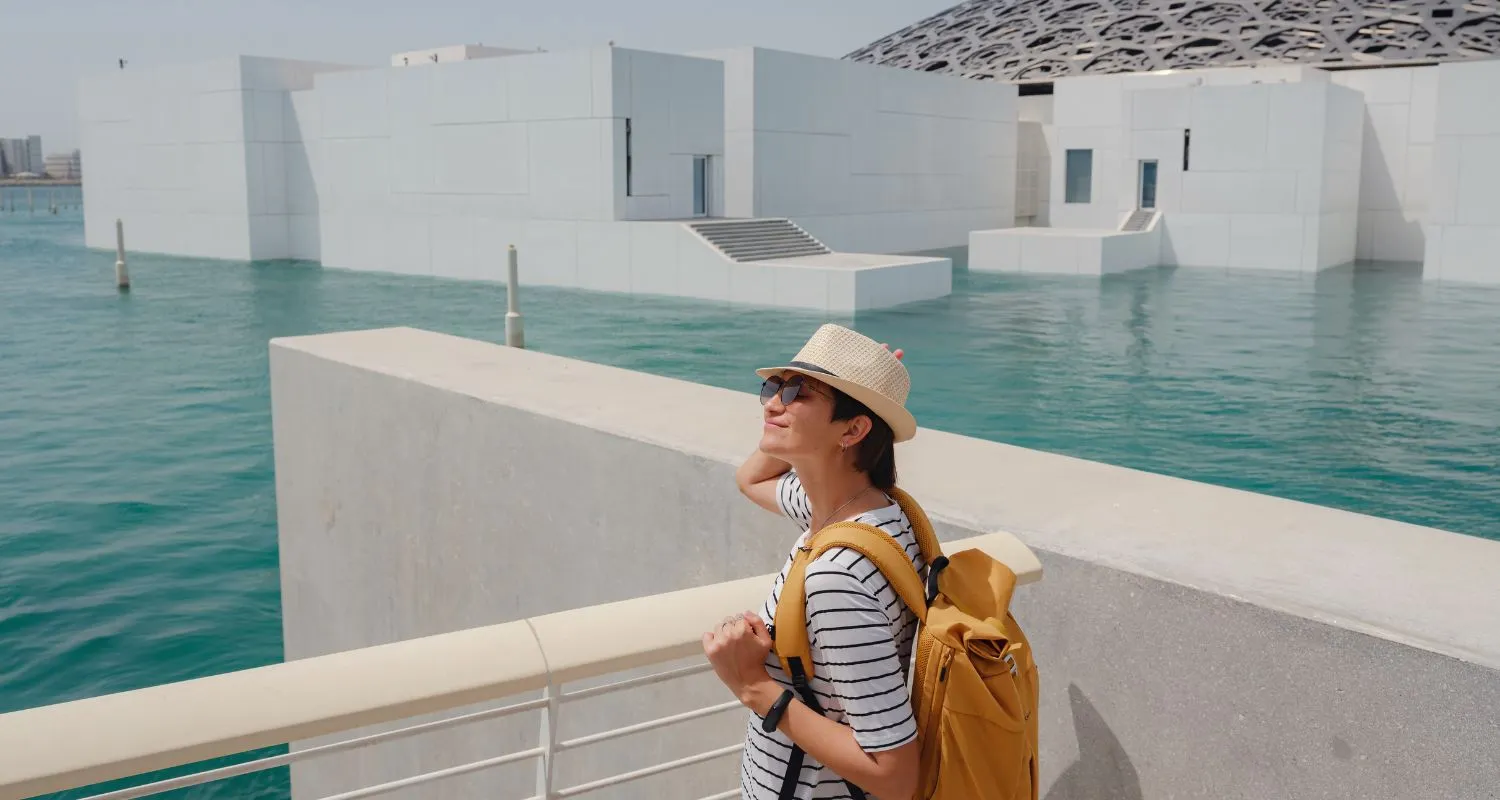
In recent years, Abu Dhabi has emerged as a global art destination, thanks to its world-class art galleries and museums. The Louvre Abu Dhabi, designed by the renowned architect Jean Nouvel, is a fantastic place to witness the cultural evolution of humanity through its curated collection of art and artifacts from across the globe. The museum stands as a testament to Abu Dhabi culture’s growing influence in the international art scene. Equally impressive is the Guggenheim Abu Dhabi, a modern and contemporary art museum, part of a larger cultural district on Saadiyat Island.
Furthermore, traditional crafts like Sadu weaving (a Bedouin style of weaving), Al Khous (palm leaf weaving), and Al Talli (a form of traditional embroidery) are celebrated as part of Abu Dhabi’s cultural heritage. The city hosts numerous craft festivals and workshops to promote and preserve these artisanal skills.
Embracing the Spirit of Abu Dhabi Culture
The cultural tapestry of Abu Dhabi weaves together threads of ancient traditions and bold innovation, creating a distinctive identity that captivates visitors from around the world. The city’s architectural marvels – from sacred mosques to cutting-edge skyscrapers – tell stories of transformation and aspiration. Through its culinary delights, artistic expressions, and traditional performances, Abu Dhabi invites exploration beyond surface impressions. The warmth of Bedouin hospitality remains alive in modern contexts, where genuine openness transcends time. Few destinations offer the depth and accessibility found in Abu Dhabi culture, promising visitors a journey that creates lasting memories and a profound appreciation for the emirate’s unique blend of heritage and contemporary vision.



 English
  German
  Russian
  Arabic