
Пустыня Руб-эль-Хали - самая большая бескрайняя песчаная пустыня на Земле, протянувшаяся на 650 000 квадратных километров южной части Аравийского полуострова.. Его арабское название переводится как “Пустой квартал”, потому что это единое пространство занимает примерно одну четвертую часть всего полуострова. Его делят между собой четыре страны: Саудовской Аравии принадлежит около 78% территории, а Оман, Объединенные Арабские Эмираты и Йемен делят между собой остальную часть.
Несмотря на название, эта пустыня далеко не безлюдна. Племена бедуинов веками разводили верблюдов по ее окраинам, а древние караваны с ладаном когда-то проходили прямо через ее сердцевину. Ученые даже извлекли из-под песка окаменелости бегемотов и водяных буйволов - доказательство того, что всего несколько тысяч лет назад в этом регионе были озера и пастбища..
В этом путеводителе рассказывается обо всем, что стоит знать о Пустом квартале: от его экстремальной географии и уцелевшей дикой природы до погребенной истории человечества и огромных нефтяных месторождений под землей. Мы также рассмотрим практические аспекты: как и когда посетить. Итак, давайте начнем с основ: где именно находится эта пустыня и что делает ее такой необычной.
Где находится пустыня Руб-эль-Хали и насколько она велика?
Площадь пустыни Руб-эль-Хали составляет примерно 1000 километров в длину и 500 километров в ширину, в обрамлении Нажд и аль-Сумманское плоскогорье на севере и Оман‘Горные хребты на востоке. Его юго-западная часть находится на высоте около 800 метров над уровнем моря, а затем постепенно опускается до уровня моря на северо-востоке, что полностью меняет рельеф местности от одного конца до другого.
Именно этот перепад высот и создает разнообразие. На западе, мелкий песок скапливается в дюны высотой более 250 метров, В то время как восточная часть пустыни превращается в гравийные равнины и сабхи - поверхности, покрытые соляной коркой, которые в засушливые месяцы растрескиваются в геометрические узоры.
Что делает пустынный ландшафт Руб-эль-Хали уникальным?
В большинстве пустынь песок смешивается с камнями, кустарником и высохшими руслами рек. Пустыня Руб-эль-Хали отличается тем, что она почти полностью состоит из песка, Формирование различных образований происходит под воздействием двух конкурирующих систем ветров, которые формировали рельеф на протяжении тысячелетий. Под песком древние озера и соляные отложения рассказывают историю, которую большинство посетителей даже не ожидают увидеть.
Песчаные дюны и пустынный рельеф Руб-эль-Хали
Здесь преобладают три типа дюн, и каждый из них формируется по-разному. Линейные дюны тянутся параллельными рядами на десятки километров, Высеченные ветрами Шамаль, дующими с юго-востока из Ирака.. Когда сезон муссонов приносит ветры харифа с противоположного направления, на этих же хребтах образуются барханные дюны в форме полумесяца, где сталкиваются оба направления ветра, Звездные дюны расходятся от одной вершины в разных направлениях. Песок сам по себе выделяется на фоне других пустынь. Высокое содержание полевого шпата придает пустыне Руб-эль-Хали ее фирменный красновато-оранжевый цвет, который меняет оттенок в зависимости от времени суток. На восходе солнца целые дюнные поля светятся медью, а к полудню тот же песок под прямыми лучами солнца выглядит почти белым.

Соляные равнины и древние озера в Пустом квартале
По пустыне Руб-эль-Хали разбросаны застывшие платформы из карбоната кальция, гипса и глины, остатки мелководных озер, существовавших между 6 000 и 2 000 лет назад. Эти озера образовывались в периоды экстремальных муссонных дождей, и большинство из них просуществовали всего несколько лет, хотя некоторые из них в юго-западной части Мундафена просуществовали до 800 лет, питаясь стоками с уступа Тувайк.
Одной из самых ярких особенностей является Умм-аль-Самим На восточном краю находится обширная соляная равнина, которая выглядит твердой, но скрывает под своей коркой предательские участки, похожие на зыбучие пески. Исследователи также нашли раковины пресноводных моллюсков и окаменелости улиток в этих древних озерах, что трудно представить, когда стоишь в одном из самых сухих мест на планете..
Может ли что-нибудь выжить в пустыне Руб-эль-Хали?
Здесь выпадает менее 50 миллиметров осадков в год, а летние температуры регулярно превышают 50°C, Эта пустыня - последнее место, где что-то может выжить.. Однако удивительно разнообразная экосистема приспособилась именно к таким условиям: от глубоко укоренившихся кустарников, которые удерживают дюны, до редких пород верблюдов, не встречающихся больше нигде.
Флора и адаптированная растительная жизнь
Самым распространенным растением в пустыне Руб-эль-Хали является Кустарник каллигонум, известный на местном уровне как Абал. Его корни простираются достаточно глубоко, чтобы добраться до подземных вод, на которые нет и намека на поверхности, и в процессе, Эти корни фиксируют песок на месте и замедляют миграцию дюн.. Именно по этой причине его можно увидеть посаженным вдоль дорог и вокруг ферм по всей Саудовской Аравии.

Особенно интересно то, как много мы еще открываем для себя. Экспедиция Саудовской геологической службы в 2006 году выявила 31 ранее неизвестный вид и разновидность растений, произрастающих в Пустом квартале., В регионе, который многие считали биологически бесплодным.
Дикая природа пустыни: Фауна Пустого квартала
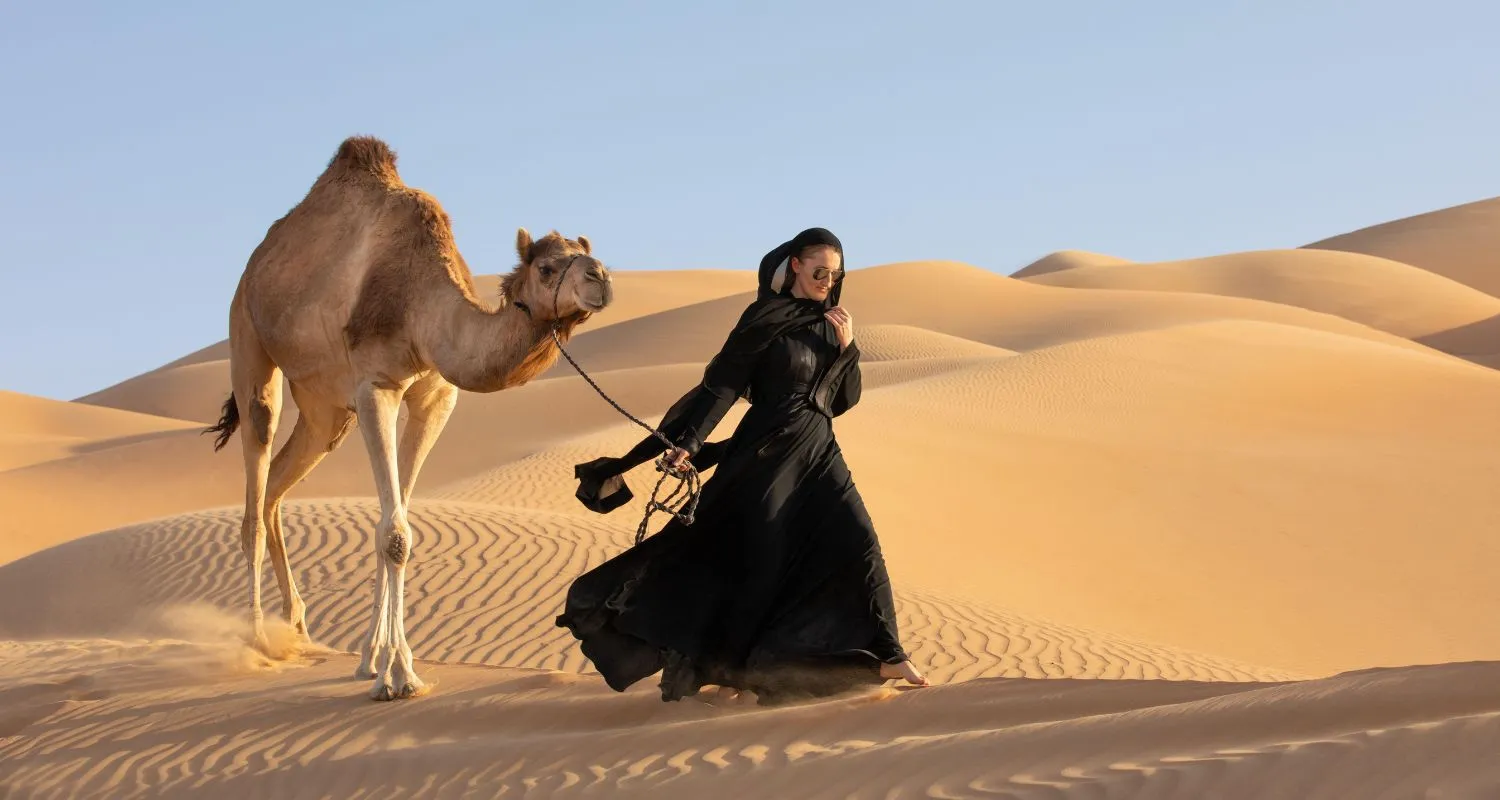
Скорпионы, грызуны и различные виды рептилий составляют основную часть наземной пищевой цепи пустыни.. Но по-настоящему выделяется арабский дромадер, особенно Черные верблюды Омана, редкая и ценная порода, уникально приспособленная к этой среде. В том же 2006 году экспедиция также зафиксировано 24 вида птиц, постоянно живущих в пустыне, что искренне озадачило исследователей, обнаруживших их.

Ископаемые добавляют еще один слой. Останки бегемотов, водяных буйволов и длиннорогих скотов, погребенные под песком, подтверждают, что в более влажном климате здесь водились крупные млекопитающие. Когда-то здесь бродил и азиатский гепард, хотя он уже давно вытеснен с Аравийского полуострова.
Кто жил в пустыне Руб-эль-Хали и исследовал ее?
Пустыня Руб-эль-Хали никогда не была по-настоящему безлюдной. Племена бедуинов веками обрабатывали его края, а задолго до этого, В то время как торговцы ладаном прокладывали караванные пути прямо через его внутренние районы. Настоящий сдвиг произошел в XX веке, когда европейские исследователи и ученые начали предпринимать попытки официальных переходов.
Племена бедуинов и древние торговые пути
На разные участки пустыни исторически претендовали несколько племенных групп.Племя Аль-Мурра контролирует самую большую территорию, в основном между Аль-Ахсой и Наджраном, в то время как Бани Яс на территории современных ОАЭ. Эти общины никогда не заселяли глубокие внутренние районы, но они разводили верблюдов на окраинах и знали источники воды лучше, чем любой чужак. Торговля ладаном поддерживала караванные пути через пустыню Руб-эль-Хали примерно до 300 года нашей эры, когда усиливающееся опустынивание сделало переправы слишком опасными. Недалеко от современного города Шиср в Омане спутниковые снимки обнаружили следы древнего поселения, которое многие исследователи связывают с Убаром, иногда называемым “Атлантида песков.” Датировка каменных орудий 3 000 лет назад были найдены поблизости, Хотя человеческих останков пока не обнаружено.

Знаменитые экспедиции через пустыню Пустой квартал
В 1930 году британский исследователь Бертрам Томас стал первым европейцем, пересекшим пустыню, ведомый спутниками-бедуинами, которые рассказывали истории о затерянном городе, погребенном под дюнами. Два десятилетия спустя команда ВВС США проехала на грузовиках из Дахрана в центральный Йемен и обратно, собирая образцы для Смитсоновского института.
Переходы продолжались и в последние десятилетия. В 1999 году канадский искатель приключений Джейми Кларк возглавил группу из шести человек - трех канадцев и трех оманских проводников-бедуинов, в 40-дневном переходе с караваном из 13 верблюдов, первом западном переходе за последние пятьдесят лет. Затем в 2006 году Саудовская геологическая служба начала полномасштабную научную экспедицию с 89 исследователями, которые обнаружили новые окаменелости, метеориты и те 31 вид растений, о которых говорилось ранее.

Почему пустыня Руб-эль-Хали имеет важное экономическое значение?
Исследователи, пересекавшие пустыню Руб-эль-Хали, искали приключений и научных открытий. Но они не могли знать, что под этим песком скрываются одни из самых ценных природных ресурсов на планете. Сегодня, Экономическое значение Пустого квартала превосходит его географическую известность.
Цифры здесь просто ошеломляют. Гавар, обнаружен в 1948 году в северо-восточной части пустыни, крупнейшее в мире сухопутное нефтяное месторождение, запасы которого оцениваются примерно в 58 миллиардов баррелей.. Далее к юго-востоку, на краю пустыни у границ ОАЭ и Омана, расположено месторождение Шайбах, в котором хранится около 14,86 миллиарда баррелей нефтяного эквивалента. Saudi Aramco управляет обоими месторождениями, а также газовым месторождением Jafurah, крупнейшим в королевстве запасом неассоциированного газа, объем которого оценивается в 200 триллионов кубических футов.
Но нефть - не единственная причина, по которой люди обращают внимание на этот регион. Организованный туризм в пустыне неуклонно растет, особенно со стороны Омана в районе Шиср и из ОАЭ. Посетители приезжают сюда ради экспедиций с гидом на 4×4, ночевок в пустыне и, возможно, самого чистого ночного неба, которое вы когда-либо видели, без светового загрязнения на сотни километров во всех направлениях.. Тем временем пустыня продолжает привлекать исследовательские группы, изучающие все: от закономерностей изменения климата до экстремофильных организмов, которые выживают в условиях, которые большинство биологов сочли бы невозможными.
Практические советы по посещению пустыни Руб-эль-Хали
Планирование поездки в Пустой квартал не похоже на бронирование обычного отпуска. В самой пустыне нет никакой туристической инфраструктуры, Так что все, от воды и топлива до навигации, зависит от того, что вы возьмете с собой или кого наймете.. Несколько практических деталей могут сделать разницу между незабываемыми впечатлениями и по-настоящему опасной ситуацией.
Лучшие месяцы для поездки - с ноября по март, когда дневная температура держится на уровне около 25-30°C. Посещение летом технически возможно, но не рекомендуется, если у вас нет серьезного опыта работы в пустыне. Даже зимой ночью температура может опускаться почти до нуля, так что запастись многослойной одеждой не помешает.
Большинство посетителей въезжают сюда с двух сторон: Со стороны Омана через Шиср или со стороны ОАЭ через оазис Лива. И в том, и в другом случае к вашим услугам авторитетные туроператоры с автомобилями 4×4, Опытные бедуинские гиды и ночевки в кемпингах. Если вы едете самостоятельно, то стандартным правилом безопасности является наличие минимум двух автомобилей, а также спутниковой связи, поскольку сигнал мобильного телефона пропадает в течение первого часа езды.
Где остановиться рядом с пустыней Руб-эль-Хали
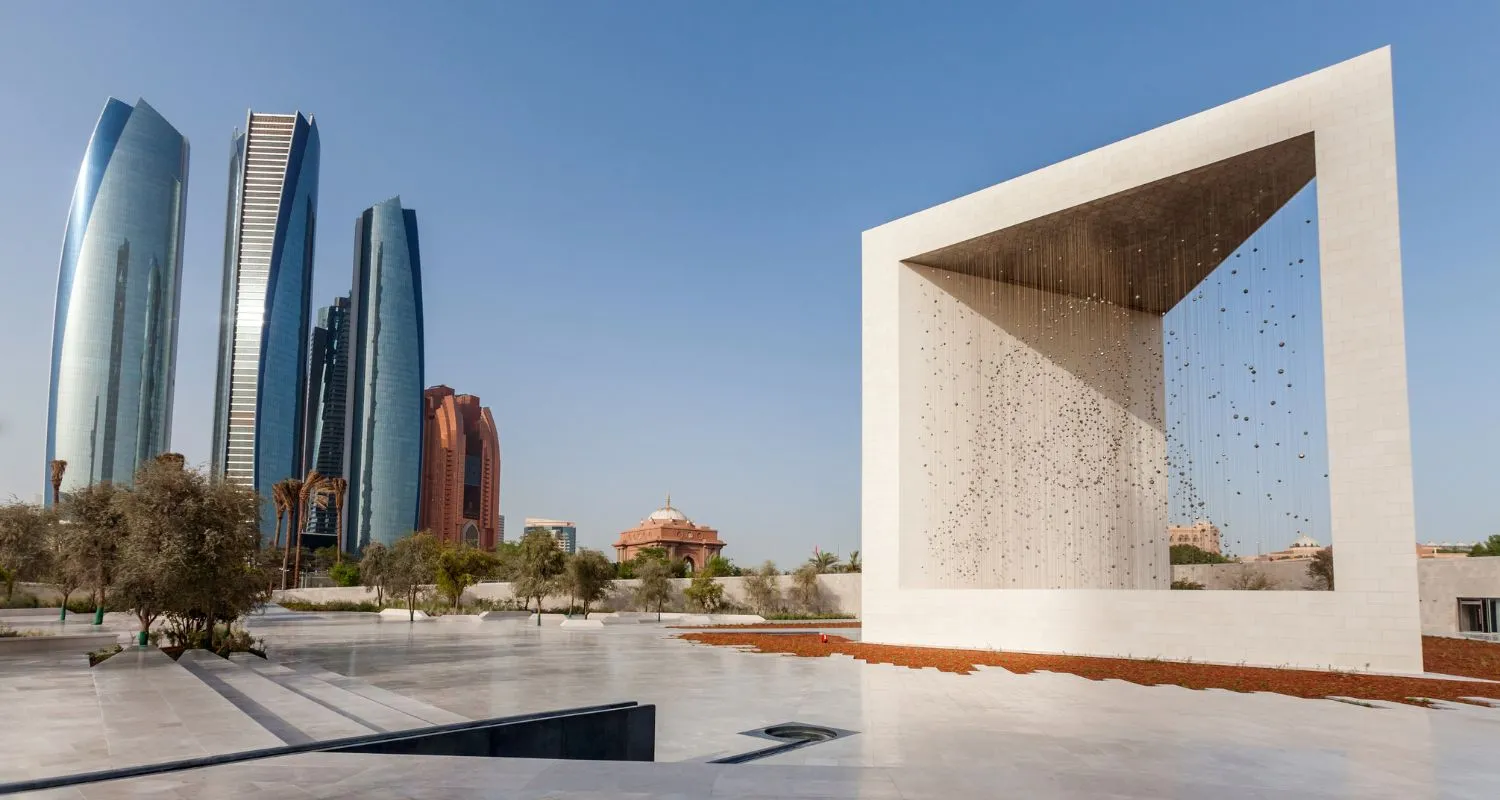
В пустыне нет отелей, поэтому большинство путешественников используют близлежащие города в качестве базы. Абу-Даби - одна из самых популярных отправных точек., Город расположен примерно в трех часах езды от северного края пустыни Руб-эль-Хали через Ливу. В городе вы найдете все, что вам нужно, прежде чем отправиться в пески, - от магазинов снаряжения до туроператоров.
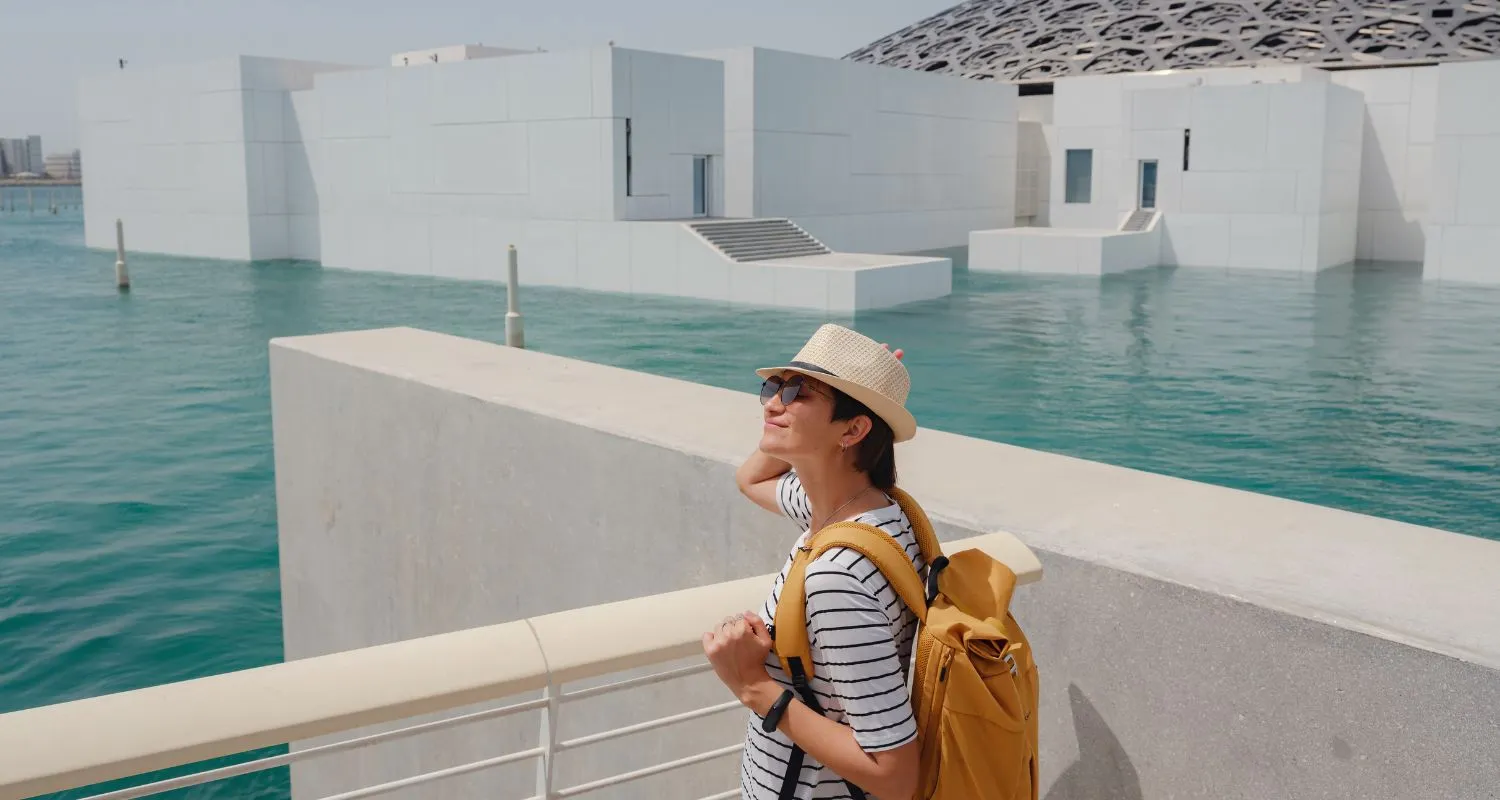
Если вам хочется чего-то более спокойного, чем центр города, до или после поездки в пустыню, Остров и курорт Аль-Майя предлагает хороший контраст. Он расположен на частном острове недалеко от побережья Абу-Даби, Поэтому здесь легко остановиться, чтобы восстановить силы после нескольких дней, проведенных на песке, без шума городского отеля.. Сочетание пустыни и побережья в одной поездке - одна из причин, почему маршрут по ОАЭ стал так популярен среди посетителей пустыни Руб-эль-Хали в последние годы.
Все, что нужно знать перед посещением пустыни Руб-эль-Хали
Теперь, когда мы охватили всю картину - от дна древних озер и торговых путей бедуинов до нефтяных месторождений с миллиардными баррелями, - остается один вопрос: Можете ли вы на самом деле пойти туда? Наиболее доступные точки въезда - со стороны Омана возле Шисра и со стороны ОАЭ через оазис Лива. В обоих случаях предлагаются экспедиции с гидом на 4×4 и ночевки в кемпингах. Лучший период - с ноября по март, когда дневная температура держится в районе 25-30°C, а не жестоких летних пиков в 50°C. Следует иметь в виду следующее: Это не то место, куда можно прийти без подготовки. Возьмите с собой гораздо больше воды, чем вам кажется нужным, одевайтесь многослойно, чтобы избежать резких перепадов температуры между днем и ночью, и никогда не отправляйтесь в путь без опытного местного гида. Мобильная связь быстро исчезает, как только вы покидаете основные маршруты, и эта удаленность - именно то, что делает пустыню Руб-эль-Хали стоящей усилий.



 English
  German
  Russian
  Arabic